








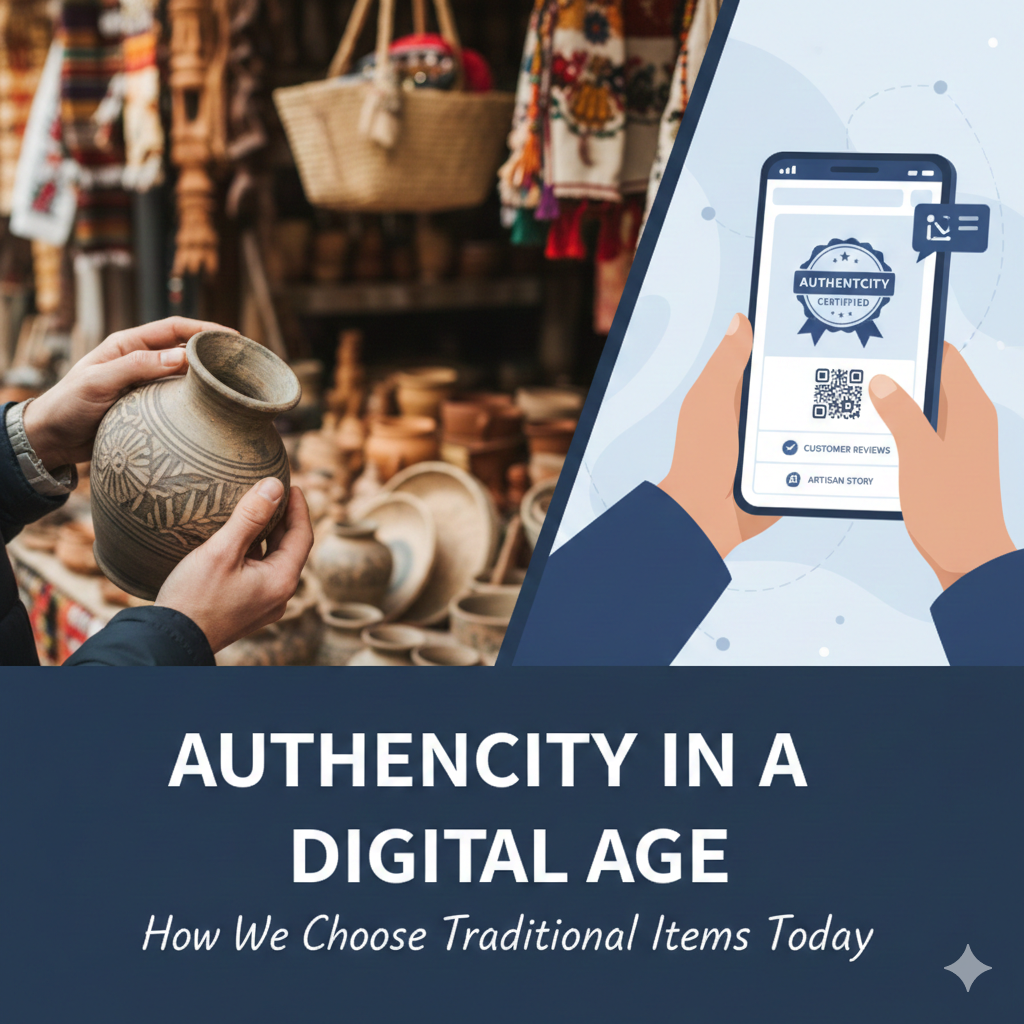
In today’s time, trying to purchase traditional items on the internet can feel like playing detective. You’re scrolling through listings of spiritual beads, handcrafted jewelry, cultural artifacts, and thinking “Is this the real deal, or am I about to get scammed?” It’s the million-dollar question (sometimes literally) that every smart shopper faces.
Here’s the thing: traditional items aren’t just pretty things to own. They’ve got history, cultural weight, spiritual significance, and they can cost serious money. But figuring out what’s legit when you’re shopping from your couch? That’s where things get interesting.
The game has totally changed. Your grandma could pop into the local artisan who’d known the family since forever. These days? We’re all digital detectives, piecing together clues to avoid getting burnt.
Certification Matters
First things first, if you’re serious about dropping cash on traditional items, you’d better see some paperwork.
If you’re looking to buy gemstones online or shopping for sacred artifacts, a certificate? That’s what makes the product reliable.
- Big names like GIA for gems, government labs for spiritual items, cultural heritage boards for artifacts
- Every legit piece gets its own detailed report card (think origin story, materials used, authenticity verification)
- Those certificate numbers? You can actually look them up online to verify they’re not bogus
- Photos should match your exact item, not some stock image nonsense
- All the important stuff gets documented: materials, age, origin, and any treatments or modifications
Official Documentation
- Government-issued papers for items from countries with protected cultural heritage
- Export certificates proving legal acquisition
- Compliance with international regulations
- Authentication from recognized religious or cultural authorities when relevant
If a seller avoids providing certification or makes excuses, consider it a warning sign. Legitimate sellers understand that proper documentation is necessary, not optional.
Visual Documentation Matters
Since you can’t hold items in person, sellers need to provide thorough visual information.
Comprehensive Photos and Videos
- High-quality images from multiple angles
- Close-up shots showing texture, craftsmanship, and any imperfections
- Videos demonstrating how the item appears in different lighting
- 360-degree views for complete examination
- Size comparisons with common objects for accurate scale
Technical Information
- Honest disclosure about treatments, repairs, or restorations
- Material composition and age verification details
- Information about origin and maker
- Background on cultural or historical significance
- Documentation of traditional techniques used
This level of transparency helps distinguish professional sellers from those cutting corners.
Research the Seller’s Reputation
Online reviews have replaced traditional word-of-mouth recommendations.
Where to Look
- Reviews on Google, Trustpilot, and social media platforms
- Ratings across different marketplaces
- Customer testimonials with actual photos
- Verified business address and contact information
- How long the business has been operating
Community Feedback
- Discussions in specialized forums
- Recommendations from online communities
- Endorsements from experts or cultural authorities
- Media coverage in reputable publications
- Membership in professional or cultural organizations
A few negative reviews are normal. Patterns of complaints about authenticity are serious red flags.
Understanding Fair Pricing
Price often indicates authenticity. Understanding market values helps identify both overpriced items and suspiciously cheap ones.
Market Research
- Current pricing for similar items
- Recognition that authentic traditional items have inherent value
- Understanding that restored pieces typically cost less
- Knowing reproductions should be clearly labeled and priced accordingly
- Awareness that prices vary based on rarity and demand
Realistic Expectations
- Legitimate sellers can explain their pricing
- Deep discounts on authentic rare items are unusual
- Cultural artifacts don’t typically go on clearance sales
- Fair pricing reflects proper sourcing and authentication
- Handcrafted items account for artisan time and skill
Extremely low prices on supposedly authentic traditional items usually indicate problems.
Return Policies Show Confidence
Sellers confident in their products offer straightforward return policies.
What to Expect
- Return periods of 7-30 days
- Full refunds if items don’t match certification
- Encouragement to get independent authentication
- Coverage of return shipping for authenticity issues
- Clear, simple return processes
Complicated return policies often hide problems. Authentic dealers make returns easy because they understand online purchases require trust.
Using Technology for Verification
Modern tools can help verify authenticity.
Available Resources
- Apps for identifying materials and spotting obvious fakes
- Online databases for checking certificates
- Video consultations with experts
- AI tools that identify suspicious patterns
- Digital authentication for valuable items
Post-Purchase Steps
- Professional verification from local experts or cultural centers
- Independent appraisals for significant purchases
- Basic at-home tests appropriate for the item
- Consultation with traditional practitioners for spiritual items
- Re-certification if needed
Building Reliable Relationships
Finding trustworthy sellers you can rely on has its advantages.
Benefits of Consistency
- Predictable quality standards
- Personalized guidance based on your interests
- Early access to new items
- Better pricing for repeat customers
- Confidence in continued authenticity
Traditional items carry meaning beyond their monetary value. They connect to heritage, culture, and sometimes spiritual practice. This is why authenticity verification matters, even in online transactions.
Final Thoughts
Evaluating authenticity requires combining traditional knowledge with modern tools. Certification, transparency, reputation, fair pricing, solid return policies, and technology all play important roles.
The good news is that as buyers demand higher standards, the market is responding. Legitimate sellers are succeeding through transparency, while questionable ones struggle to operate. If you’re thinking of buying spiritual artifacts, handcrafted jewelry, or cultural items, knowledge is your best protection. Take time to research, ask questions, verify information, and trust your judgment.
Authenticity in online shopping is achievable when you know what to look for.