







Initially, I knew exactly how much I wanted to earn, but I had no clear idea how to reach that number consistently. I worked on side projects, published content, and tested ideas they recommended online. However, income arrived randomly. Some weeks looked promising, others felt like starting over. In comparison to effort, results stayed uneven.
I believed motivation was the missing piece. But even though I stayed disciplined, income still fluctuated. Eventually, I realized that motivation without structure only creates movement, not progress. As a result, I shifted my focus from speed to clarity.
That decision changed how I evaluated work. Instead of asking what could make money fast, I asked why certain efforts failed repeatedly. Hence, the foundation of this revenue journey was built on reflection, not urgency.
How Breaking the $19K Goal Into Smaller Targets Changed Everything
Once I stopped treating $19K as one massive goal, progress became measurable. I divided it into weekly and monthly milestones. This approach reduced pressure and made tracking realistic.
I focused on:
- Weekly content output
- Monthly engagement growth
- Quarterly revenue review
In the same way budgeting clarifies spending, breaking goals clarified effort. Despite slower momentum at first, consistency improved. Clearly, smaller targets made adjustments easier. Eventually, those adjustments added up.
Why Content Became the Backbone of My Revenue System
Content worked because it scaled. One article could reach people long after publishing. I focused on explaining processes honestly instead of presenting perfect outcomes.
I avoided exaggeration and wrote in a tone that reflected real experience. Likewise, I stopped copying formats blindly. Instead, I observed what they responded to and refined my approach.
An AI Companion helped review structure and clarity, but I controlled the message. That balance mattered. Over time, content stopped being an experiment and became an asset.
How Planning Improved Once I Stopped Working in Isolation
Planning alone often reinforced my own biases. When I added an AI Companion into planning sessions, conversations replaced assumptions. I explained goals, constraints, and past results.
This helped me:
- Identify weak ideas early
- Clarify execution steps
- Reduce unnecessary tasks
In comparison to earlier chaos, planning felt calmer. Consequently, decisions improved. Still, responsibility stayed mine. The tool supported thinking, not action.
Why Trust Became More Valuable Than Traffic Volume
Traffic spikes felt exciting but unreliable. Trust, however, produced repeat visitors. I wrote with consistency, avoided dramatic claims, and explained mistakes openly.
Readers returned because content felt grounded. They shared it because it respected their time. In particular, long explanations outperformed short updates.
As a result, monetization felt natural. Not only did revenue increase, but also stress decreased. Hence, trust became the real growth factor.
Where One Monetization Model Quietly Proved Sustainable
At one stage, I tested a membership-style resource model. I explained what users would receive and what they would not. I mentioned it once and let readers decide.
Conversions were steady. In comparison to aggressive tactics, clarity worked better. This reinforced a simple truth: explanation builds confidence.
How I Addressed Sensitive AI Topics Without Losing Credibility
Some readers asked about adult-oriented AI behaviors. Avoiding the topic felt incomplete. However, approach mattered.
In one informational section, I explained AI Sexting as a pattern of digital interaction. I focused on why people seek conversational intimacy, how expectations form, and where confusion arises. There were no examples or instructions.
Despite sensitivity, feedback stayed respectful. Still, I limited coverage and placement. Balance protected trust.
How Visual Automation Curiosity Brought a New Audience Segment
Later, I discussed what an NSFW AI video generator represents within current AI trends. The explanation focused on public curiosity, technical boundaries, and misconceptions.
I avoided visuals and step-by-step details. Instead, I explained why such tools attract attention and where misunderstandings occur. Consequently, engagement increased without damaging credibility.
Why Conversational Language Trends Sparked Thoughtful Discussion
In another article, I addressed talk dirty ai as a conversational design trend. I explained tone modeling, personalization, and user expectations in a neutral way.
Readers responded with questions rather than criticism. Clearly, context shaped reaction. Still, I treated this topic as occasional, not central.
How Systems Replaced Emotional Decisions Over Time
Income stabilized once systems replaced impulse. I reviewed performance monthly, not daily. I paused underperforming ideas calmly.
An AI Companion supported analysis conversations. We reviewed patterns instead of guessing. Eventually, revenue felt predictable rather than surprising.
Why Time Management Improved Without Working Longer Hours
I did not increase work hours. I reduced mistakes. Planning sessions shortened. Revisions decreased.
I eliminated:
- Topic hopping
- Late-night decisions
- Unclear priorities
Meanwhile, clarity increased. Hence, work felt sustainable.
What I Would Do Differently If Rebuilding From Zero
If starting again, I would:
- Track outcomes from day one
- Focus on trust before monetization
- Limit experiments
- Review monthly
Not only would this save time, but also confidence would grow faster.
How This Step-by-Step Process Reached $19K Consistency
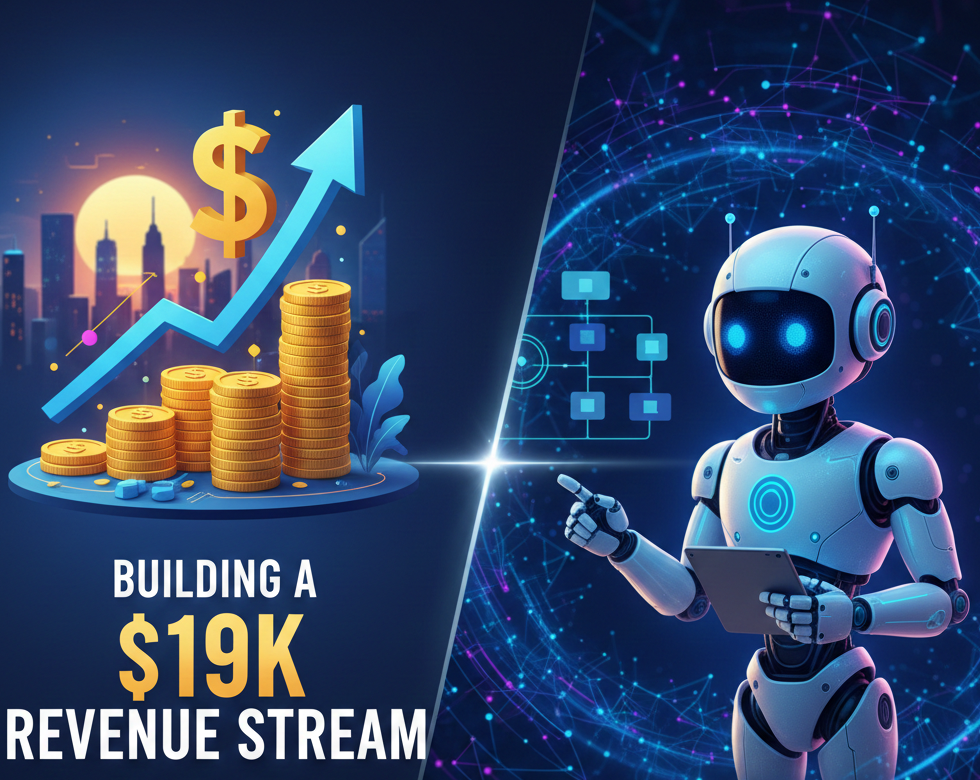
Eventually, reaching $19K stopped feeling dramatic. It became repeatable. I did not change who I was. I changed how I worked.
The AI Companion supported planning, reflection, and review. Decisions stayed human. As a result, income became consistent rather than accidental.
Conclusion: Why Consistency Came From Structure, Not Shortcuts
Initially, I believed consistent revenue required constant effort. However, this journey showed that consistency comes from clarity and review. In comparison to earlier uncertainty, income now feels stable because the process is stable.
I focused on what worked, paused what did not, and reviewed results without emotion. An AI Companion supported thinking, but responsibility stayed mine. That balance mattered.
Eventually, the $19K milestone became proof that structured steps outperform rushed decisions. Hence, this experience changed how I view online income: steady systems create steady results.